
.jpg)
The Society for Social Studies of Science annually awards the Bernal Prize to an individual who has made distinguished contributions to the field of STS. Past winners have included founders of the field, along with outstanding scholars who have devoted their careers to the understanding of the social dimensions of science and technology. The 2026 Prizes go to Steven Epstein and Ulrike Felt.
The Bernal Prize Committee included Wen-Hua Kuo (Chair and President), Anne Pollock (Past-President), Noela Invernizzi (Secretary), Amit Prasad (Treasurer), and Sergio Sismondo (ex-officio) and Amanda Windle (ex-officio).
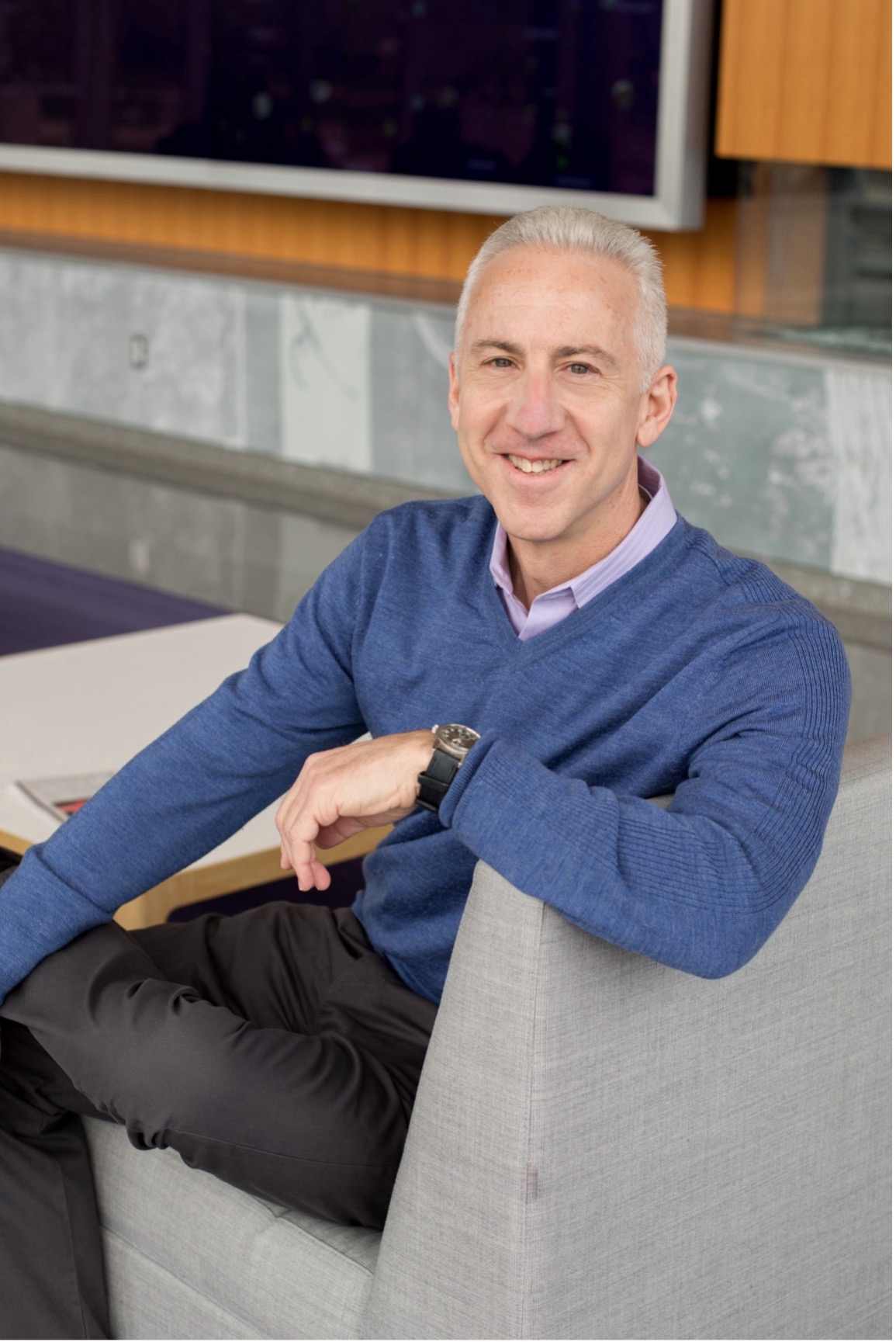 Steven Epstein is a sociologist of science whose work has transformed our understanding of the politics of knowledge through his distinctive insights into the complex interplay of social movements and biomedical institutions in the making, contesting, and remaking of biomedical expertise. Trained at Harvard College and the University of California at Berkeley, Epstein’s first single-authored book Impure Science: AIDS, Activism, and the Politics of Knowledge (1996) was one of the first books to be recognised with the 4S Rachel Carson Book Prize, which honors books of social and political relevance in the field of STS, and it remains a formative touchstone in STS inquiry into the stakes of queer, feminist, and antiracist advocacy for health. Impure Science built on an earlier book that Epstein had written together with David L. Kirp and others Learning by Heart: AIDS and Schoolchildren in America's Communities (1989), and it demonstrated tremendous empirical and conceptual breadth as it centred AIDS activists in a changing biomedical terrain. His further books – including 4S Fleck Prize winner Inclusion: The Politics of Difference in Medical Research (2007) and The Quest for Sexual Health How an Elusive Ideal Has Transformed Science, Politics, and Everyday Life (2022) – have each extended and deepened our understanding of the politics of medical knowledge. Epstein has been the recipient of prestigious fellowships from Guggenheim, Stanford, and Radcliffe. Yet Epstein’s impact on our field also extends well beyond his books, articles, and honors. He has also been renowned for his service to academic community-building at his own academic homes of the University of California San Diego and later Northwestern University, as well as serving on 4S Council and leading the Science, Knowledge, and Technology Section of the American Sociological Association. In these fraught times, Epstein’s vital scholarship and his generosity of spirit serve as a model of unwavering commitment to advancing both rigorous intersectional scholarly inquiry and inclusive scholarly community.
Image credit: Eileen Molony, 2026.
Acceptance Statement
It’s difficult for me to imagine a more meaningful or more humbling award to receive than the Bernal Prize. 4S has been an intellectual home for me since my graduate student days, and I’ve reaped so much benefit from the special vibe and distinctive modes of critical scholarship that 4S has long cultivated. I look at the list of past recipients of this prize, and I see not only the pillars of our community and authors of so many generative texts, but also many individuals I have come to know well who have showered me with kindness and intellectual generosity. (A special shout-out in memory of Adele Clarke, who first suggested to me that I submit my work to a 4S annual meeting, way back in 1990.) I’m especially pleased that my award coincides with the Society’s 50th anniversary, which is, of course, an important moment for taking stock and looking both backward and forward. As I think about the legacies of our collective work but also the deeply troubled character of the current political moment, I can’t help but think that the topics that 4S scholars have helped me to analyze—the dynamics of relations between experts and laypeople; the roles of social movements in confronting science and technology; the making of scientific classifications of gender, sexuality, race, and other forms of human identity and inequality—are more deeply implicated than ever in the politics of everyday life, and more urgently than ever in need of the kinds of careful analyses that 4S scholars can provide. Thank you to the selection committee and to the Society as a whole!
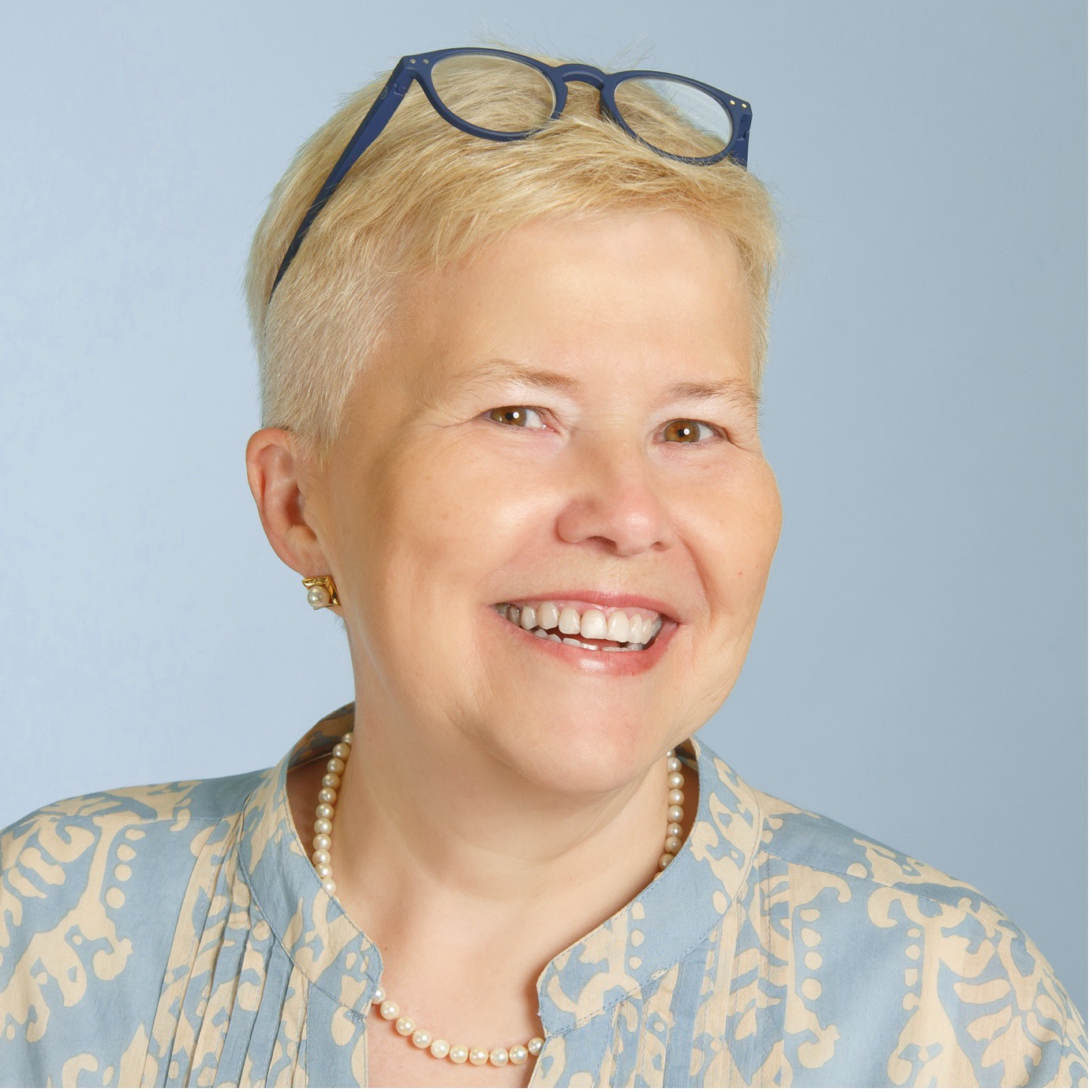 Ulrike Felt received her PhD in Physics from the University of Vienna in 1983. She then spent five years at CERN, where she worked in an interdisciplinary team analyzing the laboratory’s historical, social, and political dimensions.
Following this early work, Felt made a transition into STS, joining the new Department for the Philosophy and Social Studies of Science at the University of Vienna. She has played a central role in building and leading the field at Vienna: as Professor of Science and Technology Studies (since 1999), Head of the Department (2004–2014 and 2018–2024) and as Dean of the Faculty of Social Sciences (2014–2018). She has worked closely with students, shaping generations of scholarship.
Felt has made contributions to multiple areas and topics in STS. After working extensively on biomedicine and the life sciences, her more recent research addresses nuclear technologies, plastics, and digitization, with attention to what these fields of innovations leave behind in environmental and social terms. In this way, her research has been steadily advancing our understanding of the democratic governance of science and technology.
Conceptually, Felt is known for frameworks such as the “epistemic living spaces” in which are housed the interplays of social, institutional, and epistemic conditions of scientific work, and the “technopolitical cultures” that embed technoscience in national and cultural contexts. Her recent work highlights the importance of temporality in science, including how time regimes and future-oriented thinking shape research practices, themes explored in her book Academic Times: Contesting the Chronopolitics of Research (Palgrave, 2025).
Just as important as is her research, Felt has had a major impact on the institutional development of STS. With her characteristic combination of forcefulness and humor, she has been active in 4S for nearly three decades, served as President of EASST (2017–21), was editor-in-chief of Science, Technology, & Human Values (2002–07), and was the lead editor of the 4th edition of the Handbook of Science and Technology Studies (2017). She has contributed to science policy and advisory work at European and international levels.
Her career exemplifies an integration of conceptual innovation, empirical insight, institutional leadership, and public engagement, establishing Ulrike Felt as one of the foremost figures in contemporary Science and Technology Studies.
Image credit: PhotoSchuster, 2026.
Acceptance Statement
I am deeply honored and genuinely moved to receive the John Desmond Bernal Award from the Society for Social Studies of Science. 4S and EASST have been my intellectual homes for four decades now. Looking back, my path from a PhD in high-energy physics into STS was anything but straightforward. But it was always driven by a fascination with the world-making forces assembling around science and technology – and by STS, allowing me to shift perspectives and see things differently. Nothing along this path was ever an individual achievement. What I value most are the many people, across disciplines, institutions, and cultural environments, who accompanied me along the way, offering insights, challenging me, sharing their doubts, and making thinking together both demanding and profoundly joyful. For me, STS at its best is driven not only by critique, but also by curiosity, generosity, participatory thinking, and a readiness to engage difficult and consequential questions together. One of the greatest privileges of my career has been helping to nurture such forms of collective intellectual life, institutionally and personally, while continuously learning from younger generations whose questions and courage keep renewing our field. In today’s world, I believe STS matters more than ever. Not because it provides simple answers, but because it helps us remain attentive to entanglements and inequalities, to power relations, to the kinds of (sometimes troubling) futures being built, and to the fragilities of the democratic structures and practices that are so essential to shaping our worlds. I therefore accept this prize with great gratitude – and warmly thank the 4S Bernal Committee and 4S for this recognition – but also as a reminder of the collective responsibility we share as scholars, teachers, and members of institutions to contribute to more reflective and careful engagements with science and technology in the uneven and friction-filled worlds we inhabit.